Giant Palm
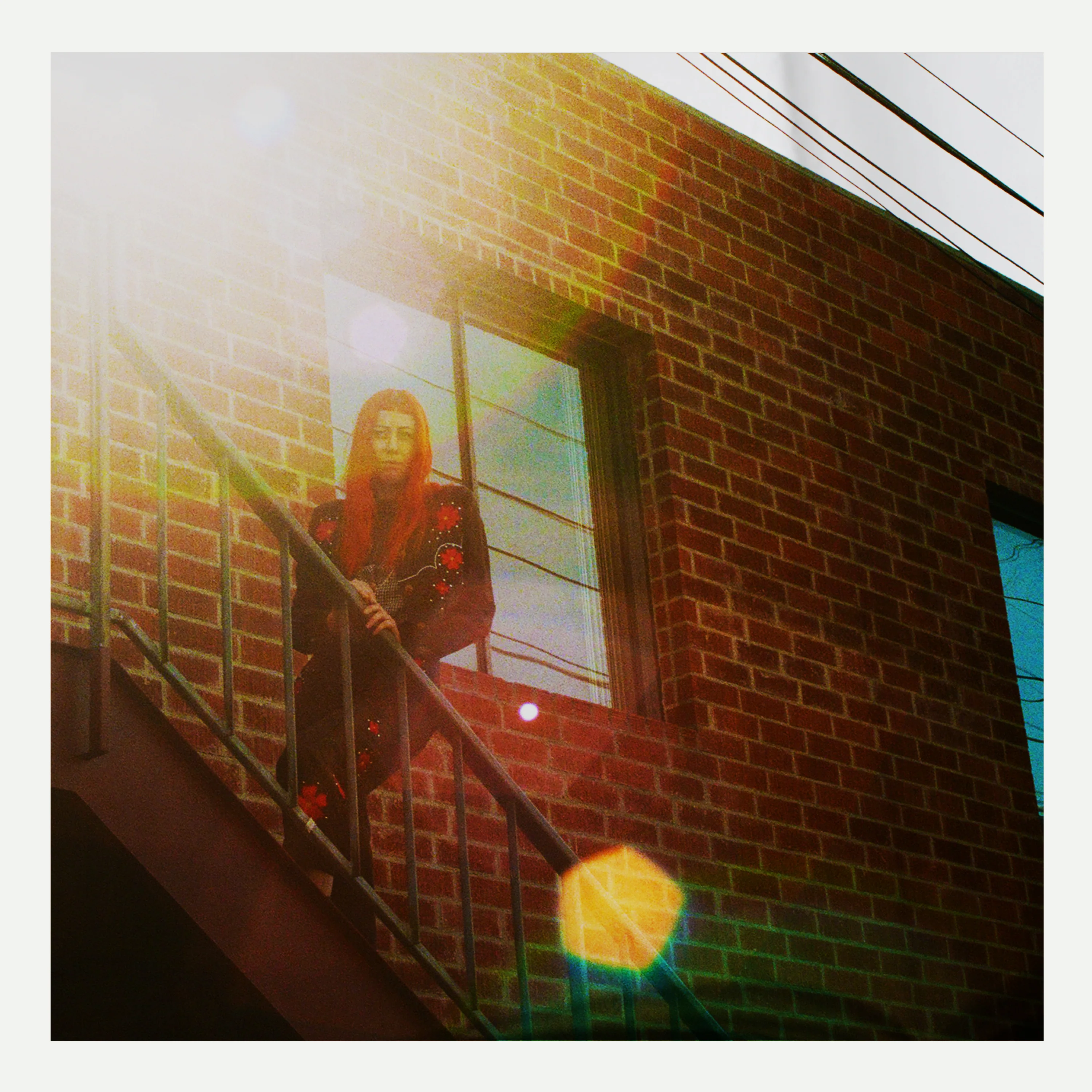
The roots of Naima Bock’s music are far reaching. Born in Glastonbury to a Brazilian father and a Greek mother, Naima spent her early childhood in Brazil before eventually returning to England and various homes in South-East London. This heritage combines with more recent pursuits in Naima’s music; from the Brazilian standards that the family would listen to driving to the beach, to the European folk traditions she tapped into on her own, and the pursuits that interest her today – studies in archaeology, work as a gardener, and walking the world’s great trails – Naima’s music draws from family, the earth and the handing down of music through generations.
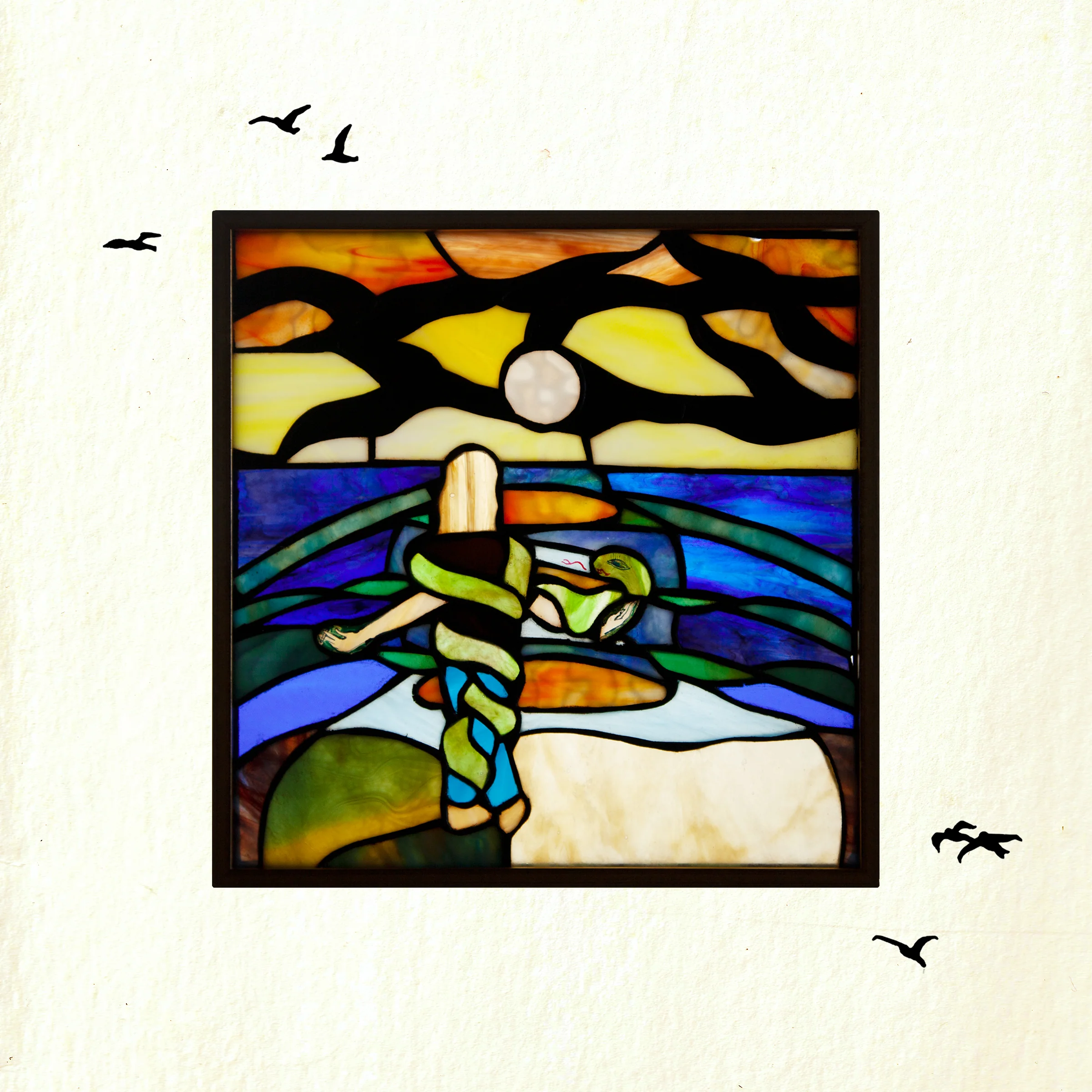
Naima’s debut album Giant Palm is undoubtedly infused with the Brazilian music of her youth and regular family visits. She found inspiration in “the percussion, the melodies, chords - and particularly the poetic juxtaposition of tragedy and beauty held within the lyrics”. By the age of 15 Naima was embedded in the music scene of South-East London, slotting into a group of like-minded friends writing and playing music. This led to the creation of Goat Girl, the band she toured the world with playing bass and singing alongside her school friends. After six years, Naima decided to leave Goat Girl to try something new. In the intervening years she set up a gardening company and started a degree at University College London in archeology because, as she jokes, “I liked being near the ground”. During this time she was writing music, playing guitar, and learning violin. She was also introduced to producer and arranger Joel Burton through Josh Cohen and his label, Memorials of Distinction. Over the time he and Naima worked together, Joel’s burgeoning interest in Western Classical music, global folk music, experience in large scale arrangement and orchestration informed the collaborative process that eventually culminated in Giant Palm.
Naima had been writing songs for years without any strong idea of where to take them. However, over a gradual process of rehearsing and performing with Joel, the compositions began to settle into something more concrete. It wasn’t until restrictions began to ease post- lockdown that they were able to focus on getting the songs finished and recorded. Fortunately, Dan Carey of Speedy Wunderground offered his spare studio space in Streatham, in south east London, free of charge. Informed by a desire to create music that was considered and intentional, they spent the month leading up to the recording expanding the arrangements, to be performed by a large and varied group of musicians - with Joel scoring parts and recording the synth and electronic elements in advance. Once they managed to schedule slots for the more-than 30 musicians on the record - the expansive yet delicate arrangements were brought to life and captured with the help of engineer Syd Kemp.
Naima loves the collective voice of traditionals that belong to everyone. She’s recently found a home for this passion in her role in the ever-shifting line-up of South-London folk collective Broadside Hacks, but it’s long been a way for her to explore her own artistry. She learned to play guitar and violin through these songs, but she also found her voice in them. “All the other representations that I’d had of singing felt so unattainable” she recalls, but in folk music she found that singing can take on so many forms without the need to exactly replicate something. Here, qualities that make her voice unique were able to flourish. This is present all through her music, as well as a feeling of community and the sharing of ideas.
Written over the space of years, each of Naima’s songs represents a snapshot of a specific feeling, of brief moments in Naima’s life that make up a larger whole. “I never change lyrics” she says, “even if I don’t relate to them anymore, I related to them once which means someone else could, somewhere”. Whether that’s in the playful humour of ‘Campervan’, the peaceful exhale of ‘Giant Palm’ or in the darker moments like in the stark, self-critical honesty of ‘Every Morning’, whatever the form it’s always laid bare.
There’s also a feeling of clarity to the songs, which Naima largely credits to the fact that many of them were written while walking. She finds inspiration in the meditative and revealing nature of long walks with a fixed but far-off destination. “There’s a stripping away that takes place”, she says, the slowing of thoughts by the rhythm of walking is often to thank for the sharp focus of her lyrics. Be that during a period of three years where she would return to Spanish pilgrimage network Camino de Santiago for weeks at a time, or simple hours spent in the English countryside.
Original: $10.00
-65%$10.00
$3.50Product Information
Product Information
Shipping & Returns
Shipping & Returns
Description
The roots of Naima Bock’s music are far reaching. Born in Glastonbury to a Brazilian father and a Greek mother, Naima spent her early childhood in Brazil before eventually returning to England and various homes in South-East London. This heritage combines with more recent pursuits in Naima’s music; from the Brazilian standards that the family would listen to driving to the beach, to the European folk traditions she tapped into on her own, and the pursuits that interest her today – studies in archaeology, work as a gardener, and walking the world’s great trails – Naima’s music draws from family, the earth and the handing down of music through generations.
Naima’s debut album Giant Palm is undoubtedly infused with the Brazilian music of her youth and regular family visits. She found inspiration in “the percussion, the melodies, chords - and particularly the poetic juxtaposition of tragedy and beauty held within the lyrics”. By the age of 15 Naima was embedded in the music scene of South-East London, slotting into a group of like-minded friends writing and playing music. This led to the creation of Goat Girl, the band she toured the world with playing bass and singing alongside her school friends. After six years, Naima decided to leave Goat Girl to try something new. In the intervening years she set up a gardening company and started a degree at University College London in archeology because, as she jokes, “I liked being near the ground”. During this time she was writing music, playing guitar, and learning violin. She was also introduced to producer and arranger Joel Burton through Josh Cohen and his label, Memorials of Distinction. Over the time he and Naima worked together, Joel’s burgeoning interest in Western Classical music, global folk music, experience in large scale arrangement and orchestration informed the collaborative process that eventually culminated in Giant Palm.
Naima had been writing songs for years without any strong idea of where to take them. However, over a gradual process of rehearsing and performing with Joel, the compositions began to settle into something more concrete. It wasn’t until restrictions began to ease post- lockdown that they were able to focus on getting the songs finished and recorded. Fortunately, Dan Carey of Speedy Wunderground offered his spare studio space in Streatham, in south east London, free of charge. Informed by a desire to create music that was considered and intentional, they spent the month leading up to the recording expanding the arrangements, to be performed by a large and varied group of musicians - with Joel scoring parts and recording the synth and electronic elements in advance. Once they managed to schedule slots for the more-than 30 musicians on the record - the expansive yet delicate arrangements were brought to life and captured with the help of engineer Syd Kemp.
Naima loves the collective voice of traditionals that belong to everyone. She’s recently found a home for this passion in her role in the ever-shifting line-up of South-London folk collective Broadside Hacks, but it’s long been a way for her to explore her own artistry. She learned to play guitar and violin through these songs, but she also found her voice in them. “All the other representations that I’d had of singing felt so unattainable” she recalls, but in folk music she found that singing can take on so many forms without the need to exactly replicate something. Here, qualities that make her voice unique were able to flourish. This is present all through her music, as well as a feeling of community and the sharing of ideas.
Written over the space of years, each of Naima’s songs represents a snapshot of a specific feeling, of brief moments in Naima’s life that make up a larger whole. “I never change lyrics” she says, “even if I don’t relate to them anymore, I related to them once which means someone else could, somewhere”. Whether that’s in the playful humour of ‘Campervan’, the peaceful exhale of ‘Giant Palm’ or in the darker moments like in the stark, self-critical honesty of ‘Every Morning’, whatever the form it’s always laid bare.
There’s also a feeling of clarity to the songs, which Naima largely credits to the fact that many of them were written while walking. She finds inspiration in the meditative and revealing nature of long walks with a fixed but far-off destination. “There’s a stripping away that takes place”, she says, the slowing of thoughts by the rhythm of walking is often to thank for the sharp focus of her lyrics. Be that during a period of three years where she would return to Spanish pilgrimage network Camino de Santiago for weeks at a time, or simple hours spent in the English countryside.